Current Location:
Shipping Container Door Weatherstrip Maintenance: When to Replace Gaskets Before Water Ruins Cargo
2026-09-22A shipping container is only as watertight as its door gasket. Intermodal containers spend their lives stacked six high on ships, trains, and port yards, exposed to salt air, monsoon rain, and summer sun. The shipping container door weatherstrip bears all of that exposure, and when it starts to fail, water gets inside, cargo gets ruined, and the container's next lease inspection is a problem. This article explains how to recognize a failing EPDM weatherstrip, when to replace it, and how the same sealing logic applies to box truck door seals, refrigerated truck and reefer door seals, and passenger car and commercial vehicle door rubber weatherstrip.
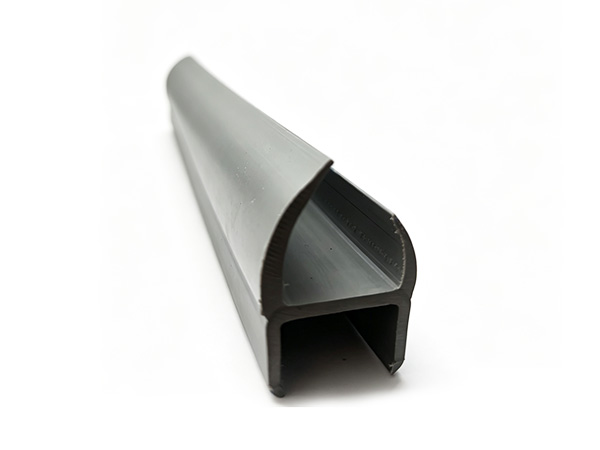
The first sign of failure is visual. Walk around the container with the door open and look at the EPDM weatherstrip. Fresh EPDM is black, flexible, and springs back when pressed. Aged EPDM turns greyish-white, develops surface cracks, and feels hard to the touch. If you can see cracks running across the sealing lip, or if the lip stays flattened when you release it, the gasket is no longer compressing properly and should be replaced before the next rain.
The second sign is functional. Close the container door on a sheet of paper, pull the paper out along the perimeter, and note any section where it pulls out easily with no drag. That section has lost compression. Repeat the test around all four sides and at the door corners, where most failures begin. If the paper slides out freely in more than a few short spots, the shipping container door weatherstrip is no longer sealing.
The third sign is cargo evidence. Look inside the container for water stains on the floor, rust streaks running down the inside of the door frame, or a musty smell. Even a small gasket leak can drive enough condensation into a closed container over weeks of storage to damage cardboard boxes, wooden crates, and metal parts. Preventive replacement costs a fraction of a single cargo claim.
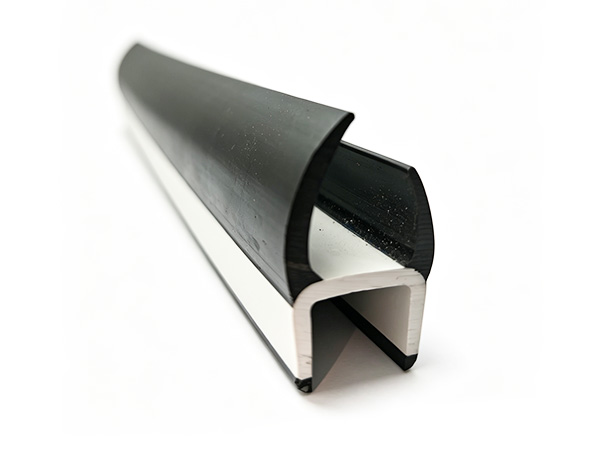
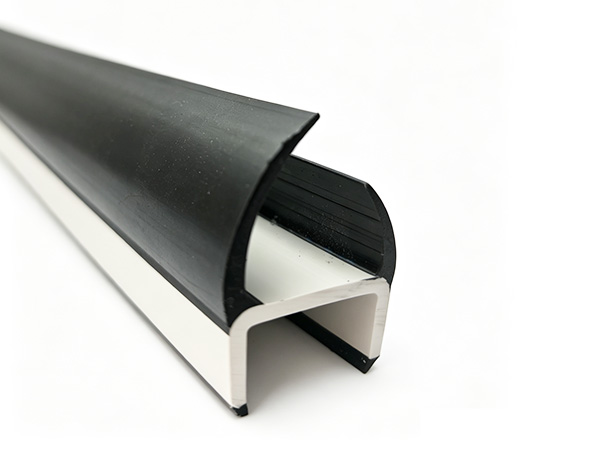
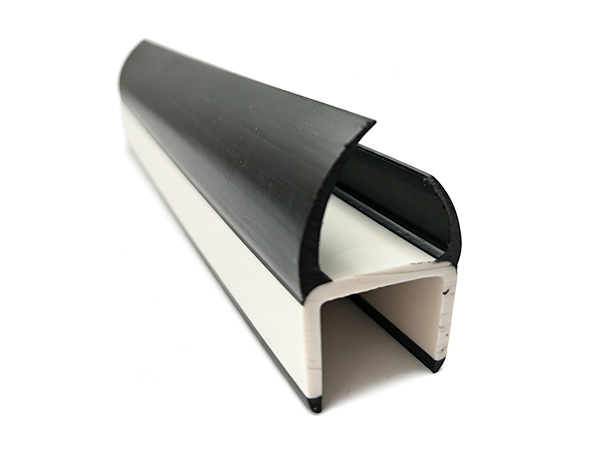
When the time comes to replace the gasket, choose an EPDM weatherstrip profile that matches the original groove. Container door gaskets are usually bulb or multi-lip profiles mounted on a carrier that clips into the factory channel. Do not try to substitute a thinner profile; the door locking bars are designed to compress a specific gap, and a weak gasket will not close the door tightly enough. Clean the groove with a wire brush, remove old adhesive and rust scale, then push the new gasket in starting from one corner, mitering the corners at 45 degrees. Close the door and lock the bars, then run a finger around the seal to confirm it is not twisted.
The same inspection routine applies across the vehicle fleet. On a box truck door seal, look for split bulbs and flattened corners; on a refrigerated truck and reefer door seal, check for ice buildup around the door perimeter, which means warm air is leaking in; on a passenger car and commercial vehicle door rubber weatherstrip, listen for wind whistle at highway speed, which usually means the seal has lifted away from the frame. In every case, the EPDM weatherstrip is the single component that keeps the weather out, and a few minutes of quarterly inspection saves thousands in cargo damage and warranty claims.
References
- Google Scholar: "Inspection and Replacement Criteria for Intermodal Container Door Gaskets", Packaging Technology and Science, 2020.
- Google Scholar: "Condensation and Moisture Transport Inside Sealed Shipping Containers", Journal of Cultural Heritage, 2019.
- Google Scholar: "Service Life Prediction of EPDM Gaskets in Outdoor Storage Applications", Polymer Degradation and Stability, 2021.