Current Location:
PVC Rubber Automotive Seal vs EPDM Weatherstrip: Which Material Should You Choose?
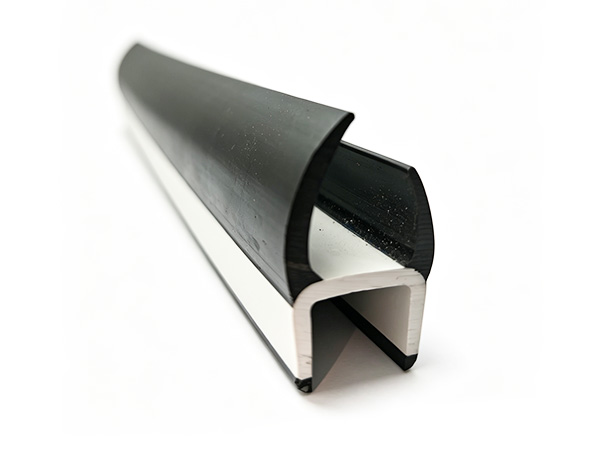
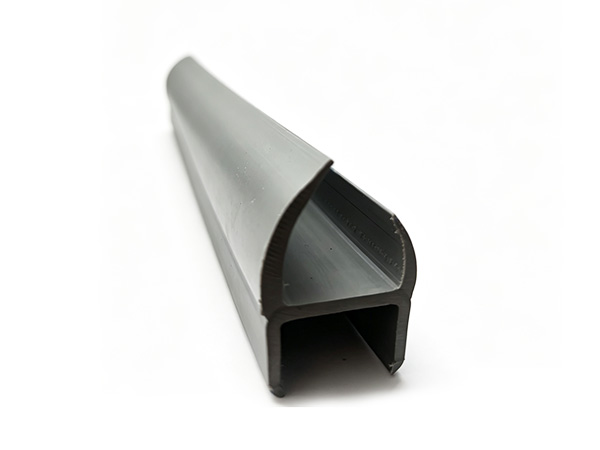
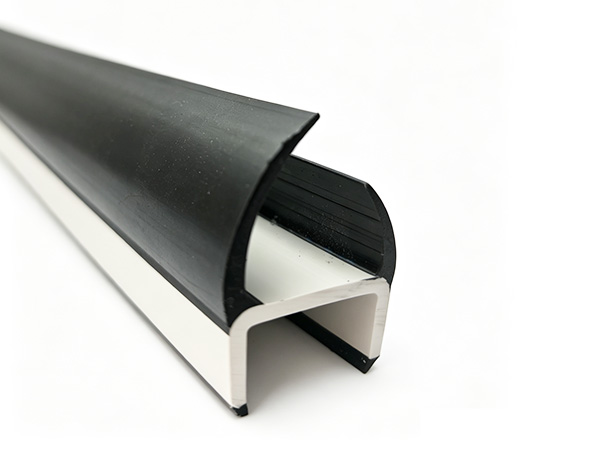
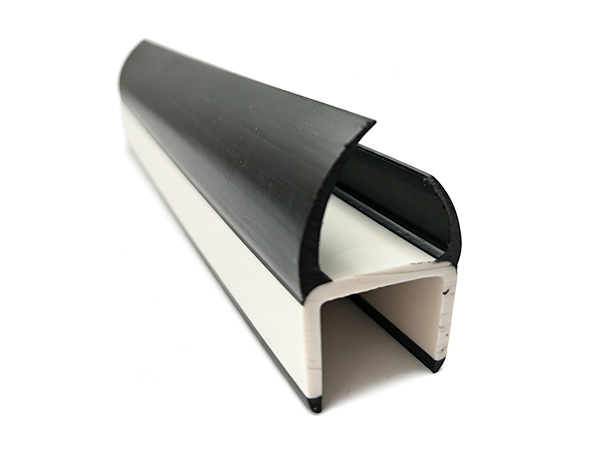
2026-09-22When you are sourcing a replacement seal for a box truck door seal, a shipping container door weatherstrip, a refrigerated truck and reefer door seal, or a passenger car and commercial vehicle door rubber weatherstrip, one of the first decisions is material: PVC rubber automotive seal or EPDM weatherstrip? The two look similar on a shelf, but they age very differently.
PVC (polyvinyl chloride) seals are cheaper to produce and can be co-extruded into bright colors, which is why they are sometimes chosen for indoor trim or short-life packaging. However, PVC plasticizers migrate out over time, the material hardens, and it becomes brittle in cold weather. On a box truck that spends its life outside, a PVC seal will often crack within one or two winters. On a shipping container exposed to sun and salt air, PVC chalking and cracking appear within a single season. On a reefer door, the cold makes PVC stiff, so it loses compression and lets warm air leak in.
EPDM weatherstrip, by contrast, is a saturated synthetic rubber with no double bonds for ozone to attack. It stays flexible from roughly -40 to +120 degrees Celsius, resists UV and ozone, and recovers its shape after compression. On a refrigerated truck door, that flexibility at low temperatures is essential; on a passenger car door, it delivers the quiet, solid close drivers expect. The upfront cost is higher than PVC, but the service life is several times longer, which is why fleet operators and container lessors overwhelmingly specify EPDM.
A practical rule of thumb: if the door lives outside, sees temperature swings, or needs to last more than two or three years, choose EPDM weatherstrip. If the application is indoor, cosmetic, or disposable, a PVC rubber automotive seal may be acceptable. For any box truck door seal, shipping container door weatherstrip, refrigerated truck and reefer door seal, or passenger car and commercial vehicle door rubber weatherstrip that must perform in the open weather, EPDM is the material that pays for itself.
References
- Google Scholar: "Aging of PVC Versus EPDM Exposed to Outdoor Weathering for Automotive Seals", Polymer Testing, 2019.
- Google Scholar: "Plasticizer Migration and Stiffness Change in PVC Door Seals Over 5-Year Service", Journal of Vinyl and Additive Technology, 2020.
- Google Scholar: "Total Cost of Ownership of EPDM Versus PVC Vehicle Door Seals in Commercial Fleets", SAE International, 2021.