Current Location:
What Makes EPDM Weatherstrip the Gold Standard for Vehicle Door Sealing
2026-09-22EPDM stands for Ethylene Propylene Diene Monomer, a synthetic rubber whose molecular backbone is fully saturated. That single chemical detail is the reason EPDM weatherstrip dominates the market for box truck door seals, shipping container door weatherstrips, refrigerated truck and reefer door seals, and passenger car and commercial vehicle door rubber weatherstrip. Unlike natural rubber or styrene-butadiene rubber, EPDM has no double bonds for ozone molecules to attack, so it does not crack, chalk, or become brittle after years of outdoor exposure.
The second reason for its dominance is temperature performance. EPDM remains flexible from roughly -40 degrees Celsius up to +120 degrees Celsius, which covers everything from a freezer reefer hold in winter to a sun-baked box truck roof in summer. It also resists UV radiation, mild automotive fluids, and the cleaning detergents used on commercial vehicles. No other common elastomer combines all of these properties at the same price point.
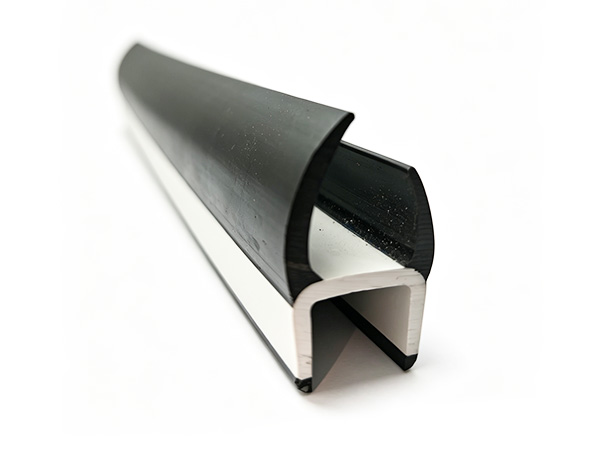
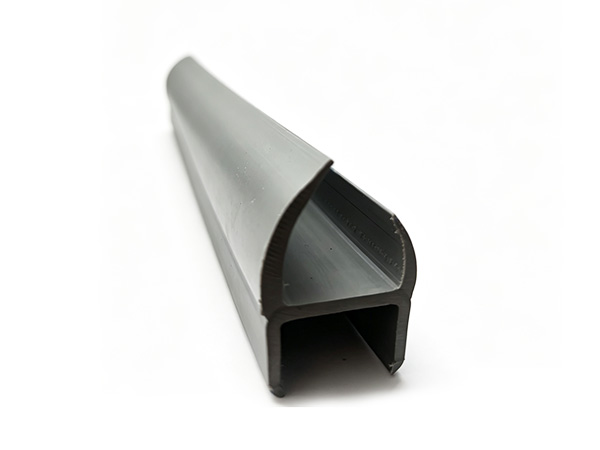
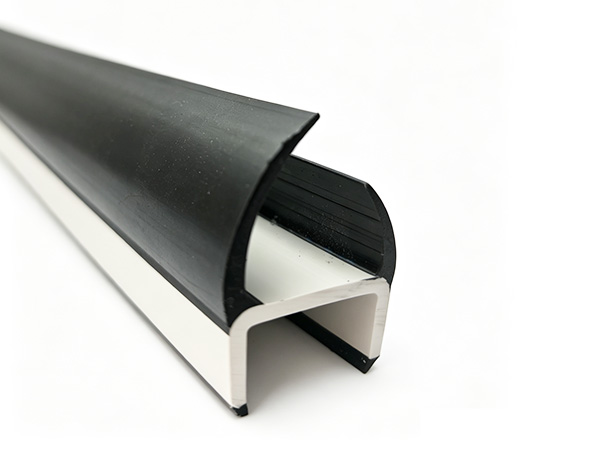
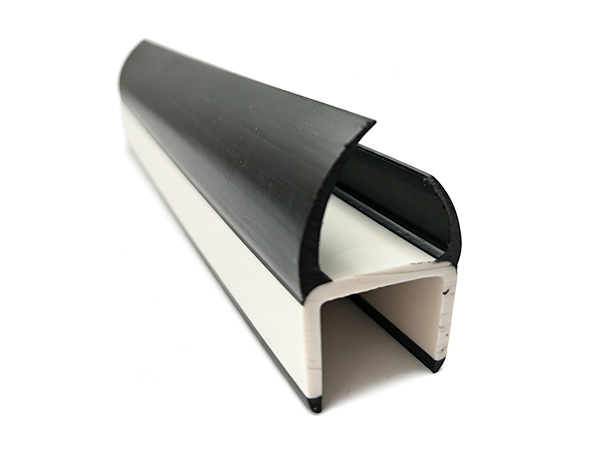
The third reason is design versatility. EPDM compounds can be extruded into a huge range of cross-sections: T-shaped strips for grooved door frames, H-shaped profiles that straddle panel edges, bulb seals for wide gaps, and multi-lip strips that create several independent contact points. The same compound can be co-extruded with a rigid carrier foot for retention and a soft sealing bulb for compression, and it can be colored black, white, grey, green, blue, red, or yellow to match vehicle livery or inspection requirements.
For fleet buyers, the practical takeaway is simple: specify EPDM weatherstrip for any door that lives outside, and avoid cheaper PVC or recycled rubber alternatives that look similar on the shelf but fail within one or two seasons. Whether the application is a box truck door seal, a shipping container door weatherstrip, a refrigerated truck and reefer door seal, or a passenger car and commercial vehicle door rubber weatherstrip, EPDM is the material that pays for itself over the life of the vehicle.
References
- Google Scholar: "Structure-Property Relationships in EPDM Rubber Compounds for Sealing Applications", Rubber Chemistry and Technology, 2019.
- Google Scholar: "Ozone and UV Resistance of EPDM Versus Other Elastomers in Outdoor Exposure", Polymer Degradation and Stability, 2020.
- Google Scholar: "Compression Set of EPDM Compounds Across Service Temperature Ranges", Journal of Applied Polymer Science, 2021.