Current Location:
Window Channel Seals: EPDM Weatherstrip for Truck and Container Glass Sealing
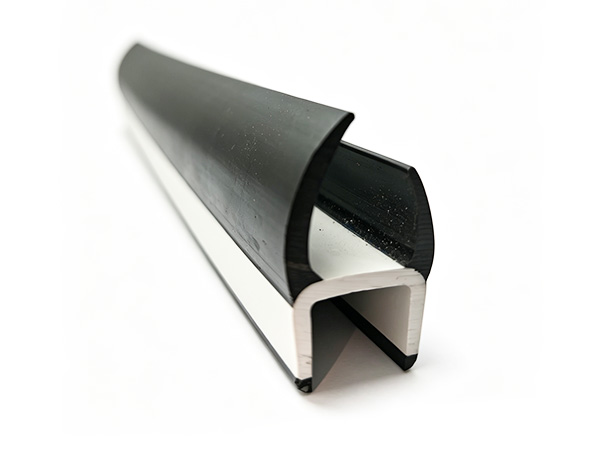
2026-09-22Door weatherstrip is the seal around the door frame. But on a modern truck cab, the windows move up and down in channels, and those channels also need sealing. The window channel seal is a U-shaped EPDM weatherstrip that grips the glass and wipes against it as it moves. It keeps water, dust, and noise out of the cab. On a box truck door seal, the cab window is a standard component. On a passenger car and commercial vehicle door rubber weatherstrip program, the window channel is part of the overall sealing system. Even on a shipping container converted into a mobile unit, a glass window installed in the container door needs a channel seal.
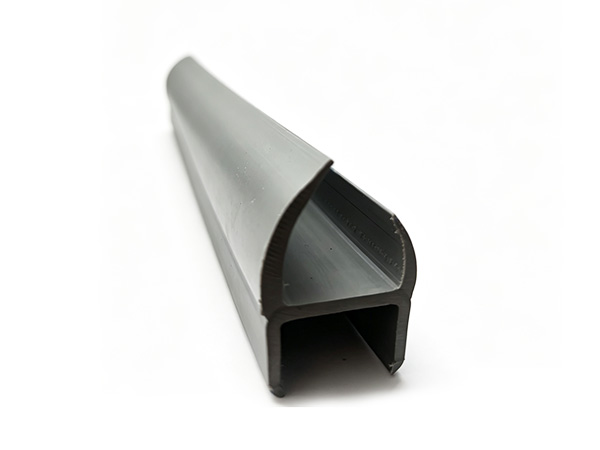
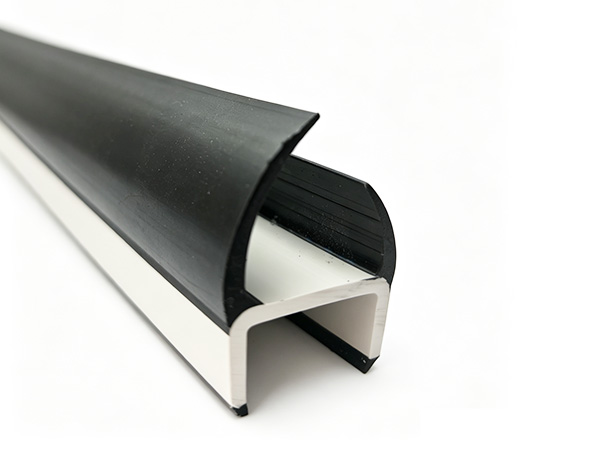
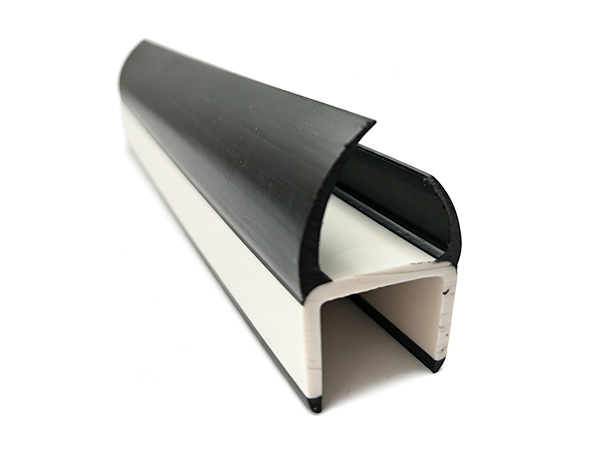
The window channel seal is a specialized EPDM weatherstrip. It is extruded in a U-shape with internal fibers or ribs that wipe the glass. The inside of the channel often has a coating of soft rubber or a low-friction surface so that the glass moves smoothly without binding. The outer surface has a metallic finish or a textured finish that matches the interior trim.
The function is threefold. First, it seals the glass against the outside elements. Water running down the window is channeled away. Second, it holds the glass snug in the frame, preventing rattles at highway speed. Third, it reduces wind noise around the window.
On a box truck door seal cab, the window channel sees a lot of use. The driver rolls the window up and down dozens of times a day. A cheap channel seal will harden, lose its wiping ability, and start to squeak. A quality EPDM weatherstrip channel stays flexible and wipes the glass clean.
On a passenger car and commercial vehicle door rubber weatherstrip, the window channel is even more critical because the cab is quieter. Any rattle or wind noise around the window is immediately noticeable. A worn channel seal lets the glass vibrate in the frame, which produces a buzzing noise at highway speed.
On a refrigerated truck and reefer unit, the cab window channel must also handle temperature swings. The reefer cab may be heated in winter and cooled in summer. The EPDM weatherstrip channel must stay flexible across that temperature range.
On a shipping container that has been converted into an office, retail space, or mobile clinic, the windows are usually fixed rather than sliding. Even a fixed window needs a gasket to seal the glass against the frame. An EPDM weatherstrip gasket is compressed around the perimeter of the glass, sealing it.
The failure modes of window channel seals are different from door seals. A door seal fails by hardening and cracking. A window channel seal fails by losing its wiping pressure. The internal ribs that wipe the glass flatten over years of use, and the glass starts to rattle. Water also starts to leak through, running down the inside of the door.
Replacement is more involved than a door seal. The door panel has to come off, the old channel has to be unclipped, and the new EPDM weatherstrip channel has to be slid in. But once replaced, the glass moves smoothly and the cab stays quiet.
When choosing a window channel EPDM weatherstrip, look for a compound that stays flexible at low temperatures. A channel that hardens in winter will scratch the glass as it moves. Look for a low-friction coating inside the channel. Look for a finish that matches the interior trim.
The window channel is a small component, but it has a big effect on cabin noise and comfort. A box truck with a squeaking window channel is a truck the driver complains about. A passenger car with a rattling window is a car the owner hates. A quality EPDM weatherstrip channel solves both problems.
For fleet managers, the window channel is a maintenance item that is easy to overlook. When inspecting a box truck door seal, also roll the window up and down. Listen for squeaks. Feel for resistance. If the window moves hard or squeaks, the channel needs attention.
References
- Google Scholar: "Window Channel Seal Wear in Commercial Vehicle Cabs", SAE International, 2020.
- Google Scholar: "Glass Wiping Performance of EPDM Channel Seals", Polymer Testing, 2019.
- Google Scholar: "Wind Noise Reduction Through Window Channel Design", International Journal of Vehicle Design, 2021.