Current Location:
Box Truck Upfit Sealing: EPDM Weatherstrip for Customized Service and Delivery Vans
2026-09-22A custom box truck upfit is only as good as its door sealing. Whether the van is built as a service truck for a plumbing company, a mobile workshop for an HVAC contractor, a delivery van for parcel logistics, or a mobile retail unit, the moment the body is mounted on the chassis and the rear and side doors are cut in, the original factory sealing is lost. Every upfitter faces the same question: how do you seal a custom door opening against rain, dust, and road noise, while keeping the door light enough to open and close easily? The answer is a properly specified EPDM weatherstrip profile, chosen to match the door gap and the way the door will be used.
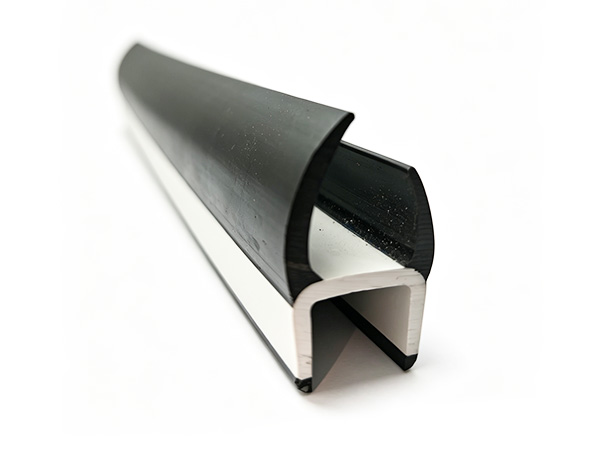
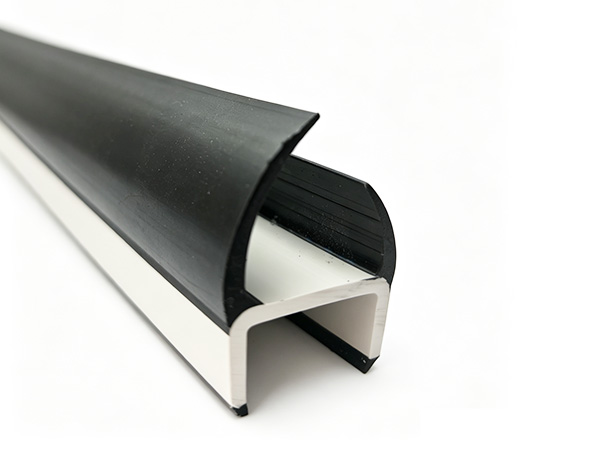
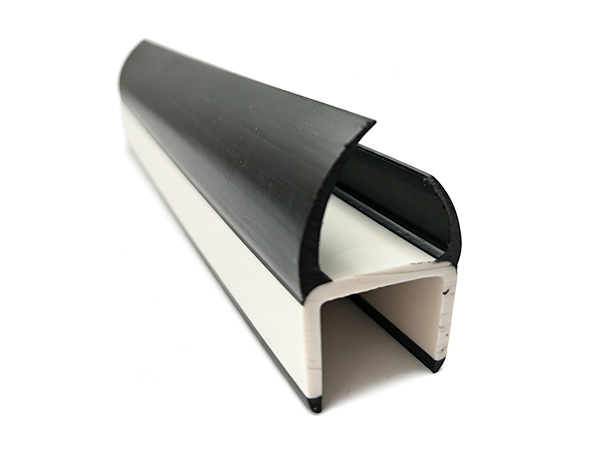
The first decision is profile type. Side doors on a service van are usually personnel doors that swing open, with a threshold step at the bottom. These doors need a T-shaped or H-shaped EPDM weatherstrip that clips into the door frame channel and a separate threshold seal at the bottom. Rear cargo doors on a delivery van are usually barn doors that swing outward, and they need a multi-lip or bulb profile that compresses against the frame when the door closes. The profile must be large enough to fill the gap when relaxed but small enough not to push the door out of alignment.
The second decision is material. Custom upfit doors live outside, see temperature swings, and are exposed to road chemicals, so they need EPDM weatherstrip, not PVC. EPDM resists ozone, UV, and temperature extremes, and it stays flexible for years. A cheap PVC seal may look fine on the day of upfit but will harden in the first winter and start leaking. For a service truck that spends ten hours a day outside, the small extra cost of EPDM is recovered quickly.
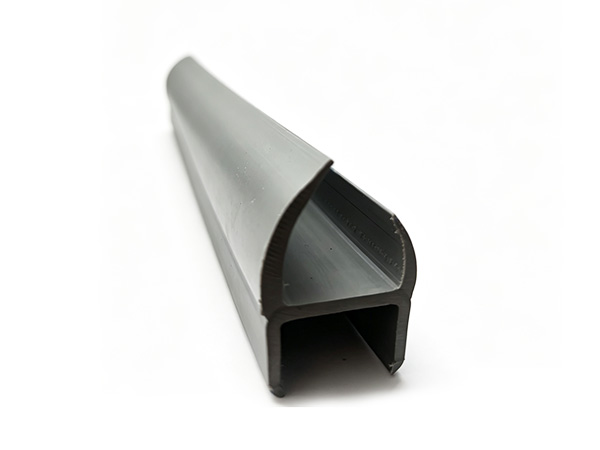
The third decision is color and finish. Most upfitters choose black EPDM weatherstrip for a utilitarian look, but a white or two-tone seal is easier to inspect and more visible during installation. On a box truck door seal that will be washed frequently, a slightly textured black EPDM hides road grime. On a passenger-style conversion van, a smooth black or grey EPDM matches the interior trim.
Beyond the main doors, every opening cut into the upfit needs sealing. Side windows cut into the body need an EPDM weatherstrip between the glass and the frame. Pop-top roofs and roof hatches need gaskets that compress evenly. Cable penetrations, ventilation grilles, and access panels all need a small EPDM seal to stop water tracking along the cut. The same material used on a shipping container door weatherstrip, a refrigerated truck and reefer door seal, and a passenger car and commercial vehicle door rubber weatherstrip works here: EPDM, because it is flexible, durable, and weather-resistant.
A well-sealed upfit makes a real difference in daily use. The driver closes the door with a solid thunk rather than a rattle. Rain does not drip onto tools or parcels. Road dust does not collect on the interior shelving. On a refrigerated upfit, the sealed door also helps hold temperature, reducing reefer runtime. On a service truck, a sealed cab means the driver can hear the radio and talk on the phone without road noise.
The installation is straightforward for an upfitter familiar with the bodywork. Cut the EPDM weatherstrip to length with a sharp knife, miter the corners at 45 degrees, clip the strip into the frame channel, and close the door to check compression. Apply a small amount of silicone lubricant to the sealing surface once a year to keep it flexible. With proper material and a careful installation, a custom box truck upfit door will seal tight for years.
References
- Google Scholar: "Sealing Performance of Custom Upfit Doors on Commercial Vans", SAE International, 2020.
- Google Scholar: "Water Ingress Through Aftermarket Vehicle Body Openings", Journal of Building Engineering, 2019.
- Google Scholar: "Durability of EPDM Seals in Commercial Van Conversions", Polymer Testing, 2021.