Current Location:
Container Conversion Door Sealing: EPDM Weatherstrip for Converted Shipping Containers
2026-09-22Converted shipping containers have become one of the most popular building blocks for modern architecture: tiny homes, site offices, pop-up retail units, emergency classrooms, and workshops. But a container that worked on the open ocean does not automatically make a watertight, comfortable room. The single most important upgrade in any container conversion is the shipping container door weatherstrip. The original door gasket is designed to keep rain out of cargo for a few years of intermodal service, not to keep a converted room dry, quiet, and insulated for decades. Replacing it with a proper EPDM weatherstrip is the first step in turning a steel box into a usable space.
The original container door gasket is usually a foam-compressed rubber strip that has hardened and cracked after years at sea. On a converted container used as a home or office, that old gasket will let in rain, dust, and cold air, and it will never keep outside noise out. The conversion builder has three choices: replace the gasket with the same type of original equipment, upgrade to a multi-lip EPDM weatherstrip, or add a secondary interior door seal. For most permanent conversions, the best solution is to replace the original gasket with a high-quality EPDM weatherstrip profile that matches the existing carrier groove, and then add a secondary interior door if insulation and climate control are required.
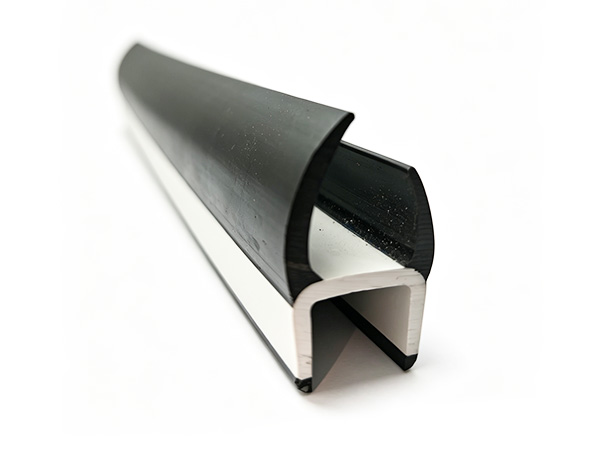
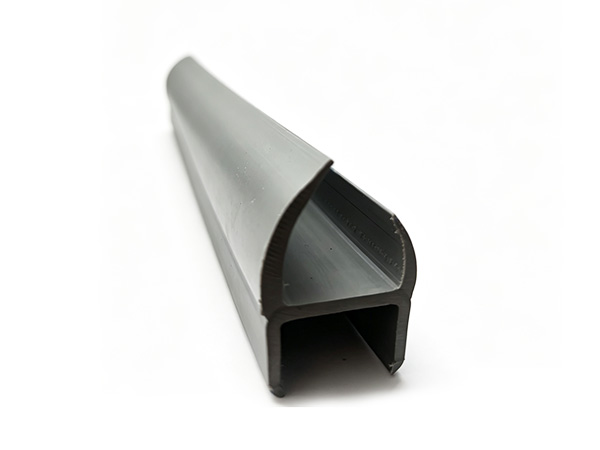
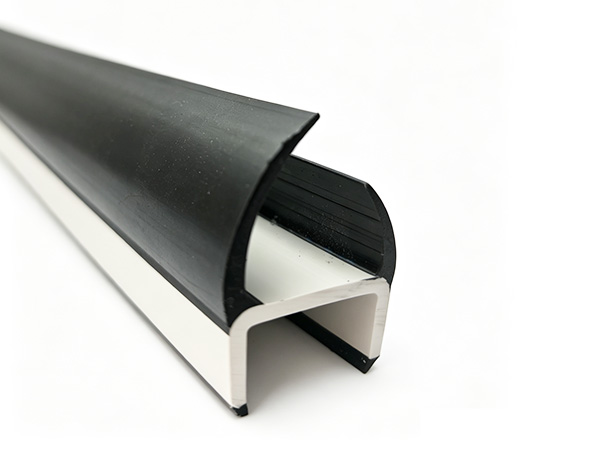
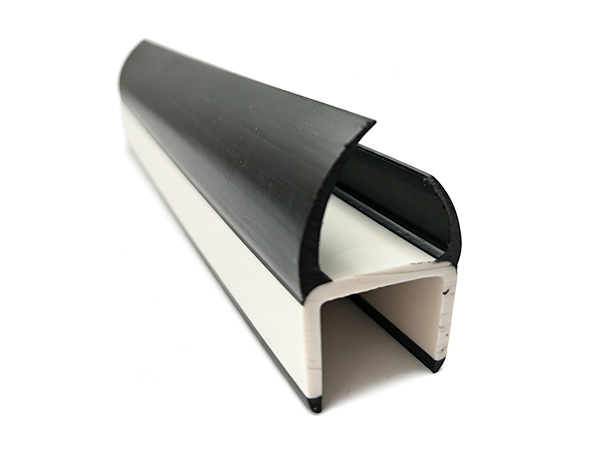
Choosing the right profile is the key decision. Container doors are large, slightly curved steel panels that close against a wavy frame. A T-shaped weatherstrip that clips into the original groove works well, but a multi-lip or bulb profile that compresses unevenly will seal better against a wavy frame. The EPDM compound must be rated for outdoor service, with enough carbon black to resist UV and enough elasticity to stay flexible through winter. Avoid cheap PVC replacements; they will harden in the first year and defeat the whole conversion.
Beyond the main container door, a conversion also needs weatherstrip on every other opening that is cut into the container. Windows cut into the corrugated steel need an EPDM weatherstrip between the window frame and the steel wall. Personnel doors cut into the end wall need an H-shaped or T-shaped EPDM seal around their perimeter. Ventilation grilles and cable penetrations need gaskets to stop water tracking along the cuts. The same material used for a box truck door seal, a refrigerated truck and reefer door seal, and a passenger car and commercial vehicle door rubber weatherstrip is the right choice here: EPDM, because it is flexible, durable, and weather-resistant.
The benefit of a properly sealed container conversion is immediate. Rain stays outside, dust stays outside, outside noise stays outside, and the space can be heated or cooled without the walls sweating. For a tiny home or office, a well-sealed door also means lower heating and cooling bills, because air does not leak around the perimeter. For a retail unit, a sealed door means a quiet, comfortable space for customers. For a workshop, a sealed door keeps out road dust and rain.
The installation is straightforward for anyone who has done a few container conversions. Remove the old gasket, clean the carrier channel with a wire brush, clip in the new EPDM weatherstrip starting from one corner, miter the corners at 45 degrees, and close the door to check the compression. Add a secondary interior door if insulation is required. Inspect the gasket once a year and replace it when it begins to harden.
A converted shipping container is only as livable as its door seal. Specify EPDM weatherstrip, choose the right profile for a slightly wavy steel frame, and the space will stay dry, quiet, and comfortable for years.
References
- Google Scholar: "Thermal Performance of Converted Shipping Containers as Permanent Buildings", Energy and Buildings, 2020.
- Google Scholar: "Air Tightness of Container Conversions After Door Gasket Replacement", Building and Environment, 2019.
- Google Scholar: "Moisture and Condensation Control in Converted Steel Container Dwellings", Journal of Building Engineering, 2021.