Current Location:
What Automotive Weatherstrip Is Suitable for Car Doors?
2026-09-15What Automotive Weatherstrip Is Suitable for Car Doors?
Choosing the right Automotive Weatherstrip for a car door depends on the door structure, sealing position, compression requirements, material properties, and environmental conditions. A suitable Car Door Weatherstrip needs to maintain reliable contact with the vehicle body while allowing the door to open and close smoothly.
For many automotive door sealing applications, EPDM rubber is a commonly used material because it provides a useful combination of elasticity, weather resistance, ozone resistance, and durability.
What Type of Weatherstrip Is Used for Car Doors?
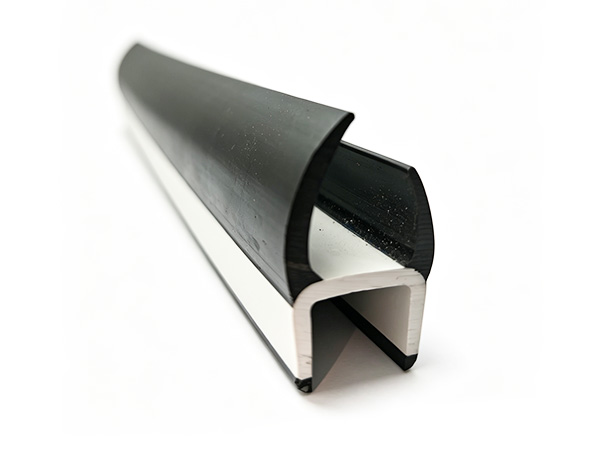
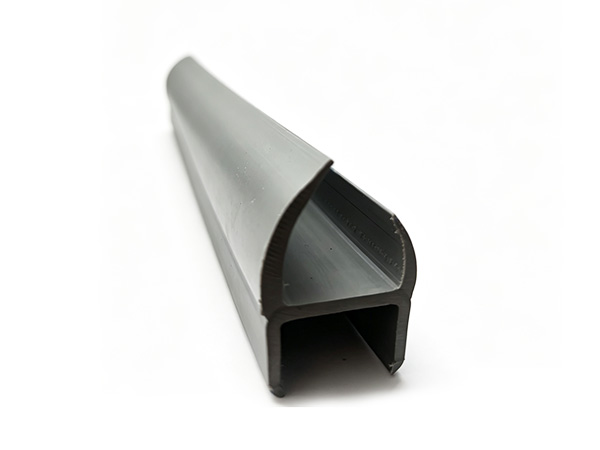
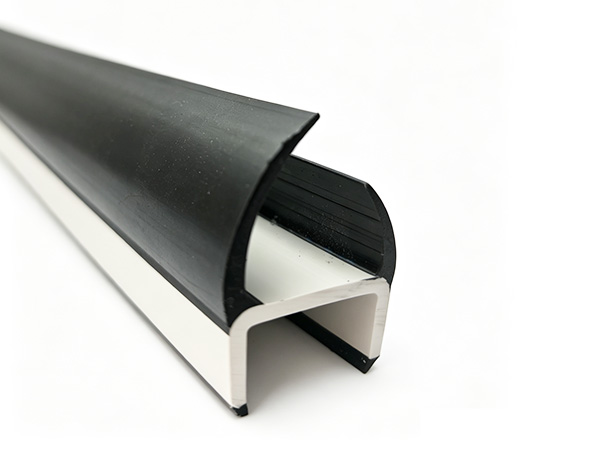
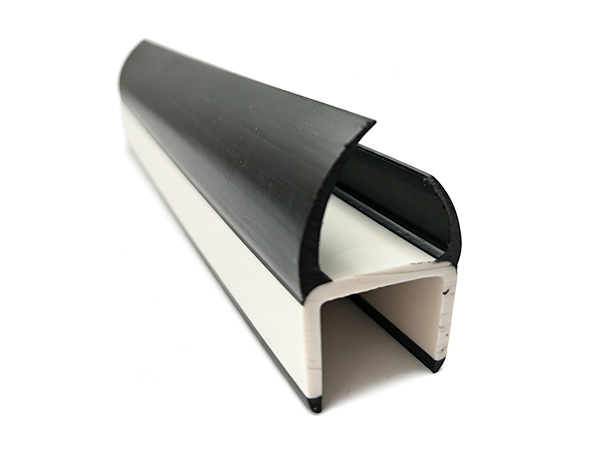
Automotive Door Weatherstrip is commonly designed as a continuous sealing profile installed around the perimeter of a vehicle door or between the door and body.
Common types include:
EPDM Car Door Weatherstrip
Automotive Door Rubber Seal
Car Door Seal
Door Frame Weatherstrip
Automotive Door Perimeter Seal
Push-On Car Door Weatherstrip
Self-Adhesive Automotive Weatherstrip
The appropriate profile depends on the vehicle's door structure and the location where the seal is installed.
Is EPDM Suitable for Car Door Weatherstrip?
EPDM is one of the commonly considered materials for Car Door Weatherstrip because of its resistance to ozone, weathering, moisture, and temperature changes.
Automotive sealing research has examined EPDM weatherstrips under repeated door opening and closing conditions, including fatigue behavior and changes in sealing performance. These properties make EPDM suitable for applications that require repeated compression and long-term environmental exposure.
However, material selection should still be based on the specific application. Temperature range, compression requirements, friction, surface contact, and expected service life should be evaluated before selecting the final compound.
What Makes a Good Car Door Weatherstrip?
A suitable Car Door Weatherstrip should provide several important characteristics.
1. Good Elastic Recovery
The weatherstrip needs to compress when the door is closed and recover its original shape when the door is opened. Good elastic recovery helps maintain consistent contact pressure over repeated cycles.
2. Appropriate Compression Force
The seal should generate sufficient contact pressure to close potential gaps without making the door excessively difficult to close.
Research on automotive door weatherstrip seals has investigated compression-load characteristics and contact-pressure distribution because these factors are closely related to sealing performance and door closing behavior.
3. Weather and Ozone Resistance
Car doors are exposed to rain, sunlight, temperature changes, humidity, and ozone. The weatherstrip should maintain its flexibility and sealing properties during long-term outdoor exposure.
EPDM rubber is widely studied for automotive sealing applications because of its resistance to environmental aging. Research has also evaluated the weatherability and UV aging behavior of EPDM rubber compounds used in automotive applications.
4. Resistance to Repeated Deformation
A car door may be opened and closed thousands of times during its service life. The weatherstrip therefore needs to withstand repeated compression without excessive permanent deformation, cracking, or loss of sealing pressure.
Fatigue studies of EPDM automotive weatherstrips have examined repeated door opening and closing cycles and the influence of seal geometry on fatigue performance.
5. Low Friction Where Movement Occurs
Some door weatherstrips come into contact with moving glass or other components. In these applications, friction and surface characteristics can affect operating force, squeaking, and wear.
For window and belt weatherstrip applications, research has investigated the relationship between weatherstrip material, friction, deformation, and noise performance.
How Do You Choose the Right Profile?
Material alone does not determine whether a weatherstrip is suitable for a car door. The profile geometry must also match the installation structure.
Important dimensions include:
Overall profile width and height
Sealing lip position
Wall thickness
Mounting channel dimensions
Compression gap
Contact surface
Attachment method
For OEM applications, the weatherstrip profile is normally developed according to the vehicle body and door geometry. A technical drawing, sample, or cross-sectional profile can be used to determine the appropriate design.
What Is the Difference Between Door Frame Weatherstrip and Window Weatherstrip?
Although both are automotive sealing products, they are designed for different applications.
Door frame weatherstrip generally seals the gap between the vehicle door and body. Its primary requirements include compression recovery, water sealing, air sealing, and noise reduction.
Window weatherstrip, on the other hand, is designed around the vehicle glass and may need to accommodate relative movement between the glass and seal.
Therefore, a window weatherstrip should not simply be replaced with a standard door weatherstrip. The profile, material, friction characteristics, and mounting method need to match the specific application.
Can Automotive Door Weatherstrip Be Customized?
Yes. Automotive Door Weatherstrip can be designed in different profiles according to the vehicle model and installation requirements.
Customization may involve:
Cross-sectional profile
Dimensions
EPDM compound formulation
Hardness
Sealing lip design
Mounting structure
Surface finish
Cut length
Adhesive or mechanical attachment
For OEM and replacement applications, providing a profile drawing, sample, vehicle model, or dimensional specifications can help determine the appropriate weatherstrip design.
Conclusion
For many car door sealing applications, EPDM Automotive Weatherstrip is a practical material option because of its elasticity, weather resistance, ozone resistance, and durability. However, the best Car Door Weatherstrip is determined by more than the rubber material.
The vehicle door structure, sealing location, profile geometry, compression force, environmental conditions, friction requirements, and expected service life should all be considered when selecting an Automotive Door Seal.
For an OEM automotive weatherstrip project, the most useful information includes the vehicle model, installation position, cross-sectional drawing or sample, sealing gap, material requirements, and operating environment. These details help determine the appropriate Automotive Weatherstrip profile and material.