Current Location:
Can Automotive Weatherstrip Be Made to Custom Profiles?
2026-09-15Can Automotive Weatherstrip Be Made to Custom Profiles?
Yes. Automotive Weatherstrip can be manufactured to custom profiles to match different vehicle models, installation locations, sealing gaps, and performance requirements. Custom profiles are commonly used when a standard rubber seal cannot provide the required fit, compression, mounting, or sealing performance.
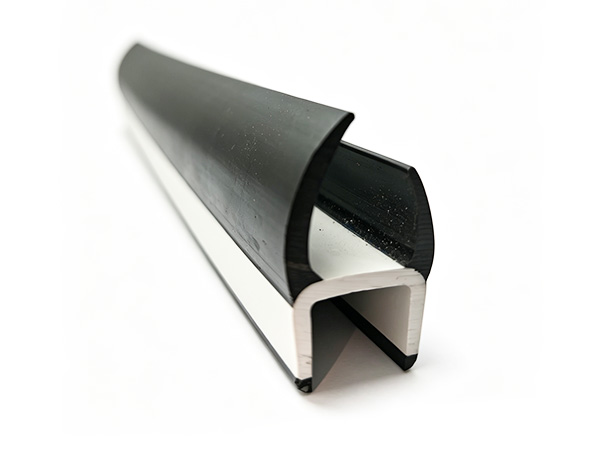
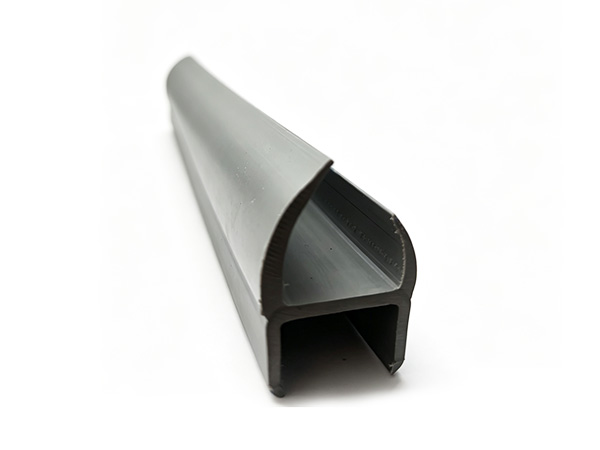
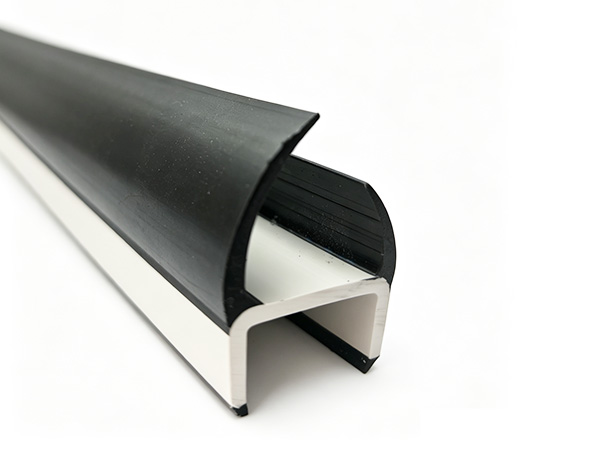
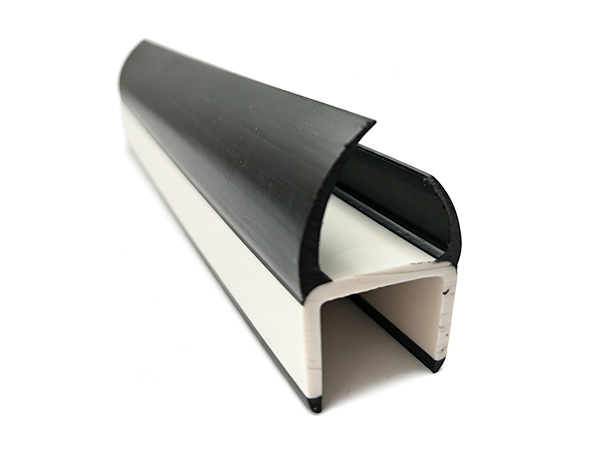
A Custom Automotive Weatherstrip can be developed with different cross-sectional shapes, dimensions, sealing lips, hollow sections, mounting structures, and surface treatments. EPDM is commonly used for many automotive weatherstrip applications because of its weather resistance, ozone resistance, elasticity, and durability.
What Is a Custom Automotive Weatherstrip Profile?
A custom automotive weatherstrip profile is a rubber sealing section designed according to a specific application rather than selected from a standard profile catalog.
The cross-section can be designed to include:
Sealing lips
Hollow chambers
Flexible sections
Reinforced sections
Mounting channels
Metal or plastic carrier sections
Adhesive surfaces
Decorative surfaces
For example, a Custom Automotive Door Seal may be designed specifically to fit the gap between a vehicle door and its body structure.
The profile geometry is important because it affects compression, contact pressure, deformation, installation, and sealing performance. Research on automotive door weatherstrip seals has examined the relationship between seal geometry, compression behavior, contact pressure, and door closing force.
Why Are Custom Profiles Used for Automotive Weatherstrip?
Different vehicle models have different body structures and sealing requirements. A standard weatherstrip may not fit the available mounting channel or provide the correct compression.
Custom profiles can be developed to address requirements such as:
Specific installation dimensions
Different door gaps
Complex body contours
Required compression levels
Water and dust sealing
Air leakage prevention
Wind-noise reduction
Different mounting methods
Special appearance requirements
This is particularly important for OEM automotive sealing applications where the weatherstrip must match the vehicle's original design.
What Materials Can Be Used for Custom Automotive Weatherstrip?
The material is selected according to the application and required performance.
EPDM Rubber
EPDM Automotive Weatherstrip is widely used for applications exposed to weather, ozone, moisture, UV radiation, and temperature changes.
Common applications include:
Automotive Door Weatherstrip
Window Weatherstrip
Hood Seal
Trunk Seal
Windshield Seal
Body Sealing Profiles
EPDM's weather and ozone resistance is one of the reasons it is widely used in automotive sealing applications. Research has also investigated the aging and weatherability of EPDM rubber compounds used for automotive sealing.
TPV
Thermoplastic vulcanizates (TPVs) can also be considered for certain automotive weatherstrip applications.
Research into automotive door inner belt weatherstrips has investigated EPDM/PP-based TPV materials and their compression, damping, friction, and noise characteristics.
The appropriate material depends on the specific application rather than simply the required profile shape.
What Information Is Needed to Make a Custom Weatherstrip?
To develop a Custom Rubber Profile, the manufacturer normally needs technical information about the installation and application.
Useful information includes:
1. Profile Drawing
A cross-sectional CAD drawing or dimensioned technical drawing is the most direct reference for profile development.
2. Existing Sample
If an original weatherstrip is available, a physical sample can help determine the required profile dimensions and structure.
3. Vehicle Model
The vehicle model and installation location can help identify the intended sealing application.
4. Material Requirements
The specification may include:
EPDM
TPV
Required hardness
Color
Temperature range
Weather resistance
Ozone resistance
Compression requirements
5. Installation Method
The profile may be designed for:
Push-on installation
Clip attachment
Adhesive bonding
Mounting channel