Current Location:
What Sizes Are Available for Automotive Weatherstrip?
2026-09-15What Sizes Are Available for Automotive Weatherstrip?
There is no single standard size for Automotive Weatherstrip. The dimensions vary according to the vehicle model, installation location, sealing gap, profile structure, compression requirements, and mounting method.
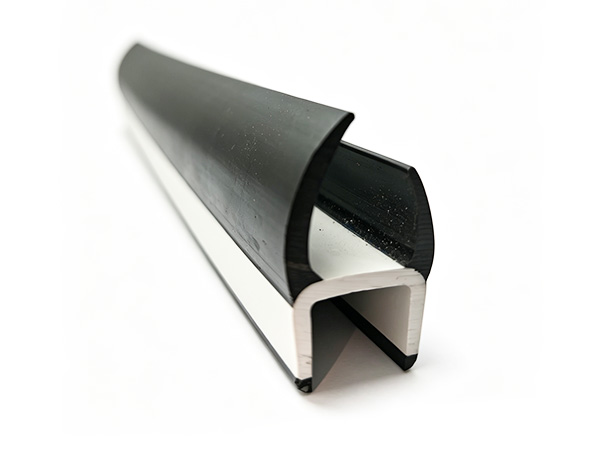
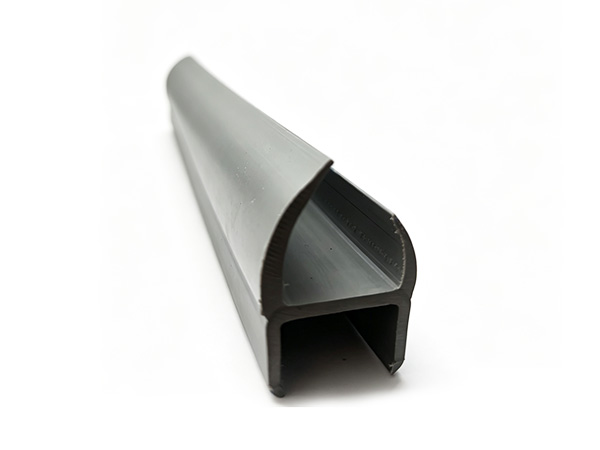
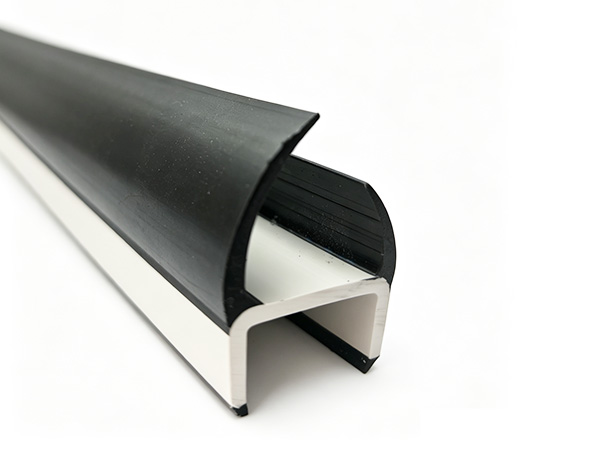
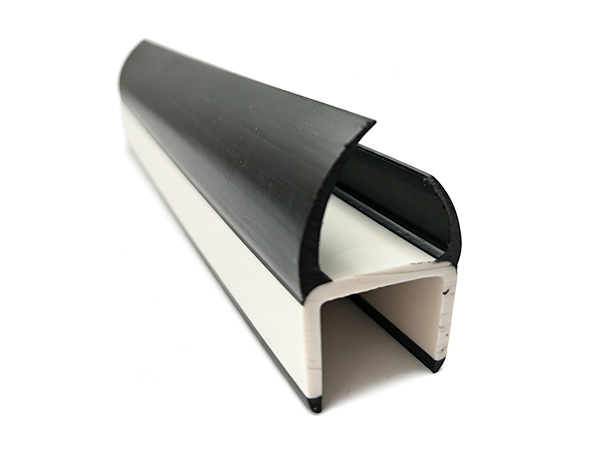
Automotive weatherstrip is commonly supplied as an extruded rubber profile, and its size is normally specified by the cross-sectional dimensions rather than by length alone. Depending on the application, the profile may be narrow and compact or include larger sealing bulbs, mounting channels, reinforcement sections, or multiple sealing lips.
What Dimensions Are Used to Specify Automotive Weatherstrip?
The main dimensions used to describe an Automotive Weatherstrip include:
Profile width
Profile height
Wall thickness
Sealing lip dimensions
Mounting channel width
Mounting channel depth
Bulb diameter
Compression gap
Overall length
For example, automotive weatherstrip profile drawings can contain multiple dimensional points because the cross-section may include several sealing and mounting elements. Commercial automotive seal profiles show that dimensions can vary considerably between different door, window, and body sealing designs.
Therefore, simply specifying a product as a "10 mm weatherstrip" is usually not enough to determine whether it will fit a particular vehicle.
What Are Common Automotive Weatherstrip Sizes?
Common sizes depend heavily on the profile type and application.
Some general EPDM weatherstrip profiles are available in dimensions such as:
8 × 6 mm
9 × 6 mm
9 × 8 mm
9 × 5.5 mm
9 × 4 mm
9 × 2 mm
9 × 7 mm
8 × 15 mm
These dimensions are examples of commonly offered rubber sealing profiles rather than universal automotive standards.
For more complex Automotive Door Weatherstrip, the cross-section can be significantly larger because the profile may include a sealing bulb, mounting section, reinforcement, or multiple sealing lips. Published automotive seal profile drawings show examples with dimensions around 20–40 mm across different sections.
Are Automotive Weatherstrip Sizes Different for Doors and Windows?
Yes.
Car Door Weatherstrip
A Car Door Weatherstrip generally has a more complex cross-section because it must seal the gap between the vehicle door and body.
The profile may include:
Hollow sealing bulbs
Compression chambers
Mounting channels
Metal reinforcement
Flexible sealing lips
The size is selected according to the door frame, body flange, closing gap, and required compression.
Automotive Window Weatherstrip
Window weatherstrips have different dimensional requirements because they may interact with moving glass.
The profile can include a glass channel, sealing lips, reinforcement, or low-friction surface treatment. Automotive glass-run profiles can combine EPDM, reinforcement cores, and flocking or low-friction materials.
Trunk and Hood Weatherstrip
Trunk and hood seals may use bulb-type, channel-type, or edge-mounted profiles. Their dimensions depend on the panel edge, available clearance, and required compression.
Therefore, Automotive Door Weatherstrip, Window Weatherstrip, Trunk Seal, and Hood Seal should not be assumed to have the same dimensions.
Does Automotive Weatherstrip Have a Standard Length?
The length is usually determined by the application.
Automotive weatherstrip can be supplied as:
Continuous coils
Rolls
Straight lengths
Cut-to-length pieces
Formed rings
Vulcanized frames
Corner-joined assemblies
For OEM applications, the required length is normally determined by the vehicle component and installation position rather than by a universal standard.
Some commercial automotive weatherstrip products are supplied in long continuous lengths, while specific vehicle seals can be cut and formed to the required dimensions.
Can Automotive Weatherstrip Be Made in Custom Sizes?
Yes. Custom Automotive Weatherstrip can be manufactured according to specific dimensions and profile drawings.
Custom specifications can include:
Width
Height
Wall thickness
Sealing bulb size
Lip dimensions
Mounting channel dimensions
Profile length
Hardness
Material
Reinforcement
Surface treatment
Custom extrusion is commonly used when the required profile cannot be matched by an existing standard seal.
A manufacturer may use a technical drawing, CAD file, or physical sample to develop the extrusion die and produce the required profile. Automotive sealing manufacturers also offer custom extruded profiles with different materials, structures, reinforcement options, and surface treatments.
What Size Automotive Weatherstrip Should You Choose?
The correct size should be determined by the actual installation location rather than by appearance alone.
Important factors include:
1. Installation Gap
Measure the space that needs to be sealed. The weatherstrip should provide sufficient compression without creating excessive closing force.
2. Mounting Structure
Check whether the seal is installed using a mounting channel, flange, adhesive, clips, or a push-on structure.
3. Compression Requirement
The profile height and sealing bulb dimensions should be matched to the available compression space.
4. Contact Surface
Determine whether the seal contacts metal, glass, painted surfaces, plastic, or another rubber component.
5. Vehicle Model
Different vehicle models can use different profile geometries even for similar applications.
6. Operating Environment
Temperature, UV exposure, ozone, moisture, dust, and chemical exposure can affect the material and profile selection.
How Do You Measure Automotive Weatherstrip?
For an existing seal, the most useful approach is to measure the cross-section.
Important measurements include:
Overall profile width
Overall profile height
Wall thickness
Bulb diameter
Mounting channel dimensions
Sealing lip dimensions
Length of the finished piece
A physical sample can also be provided when exact measurements are difficult to obtain.
For OEM development, a 2D cross-sectional drawing or CAD file is generally more useful than a simple overall width measurement because the detailed geometry determines how th